History

Discover the story of artistry and dedication that shaped Tlaquepaque's distinctiveness

From its architectural inspiration to artistic tradition, learn about the vision behind our village that continues today.

Aerial view of Tlaquepaque Arts & Shopping Village

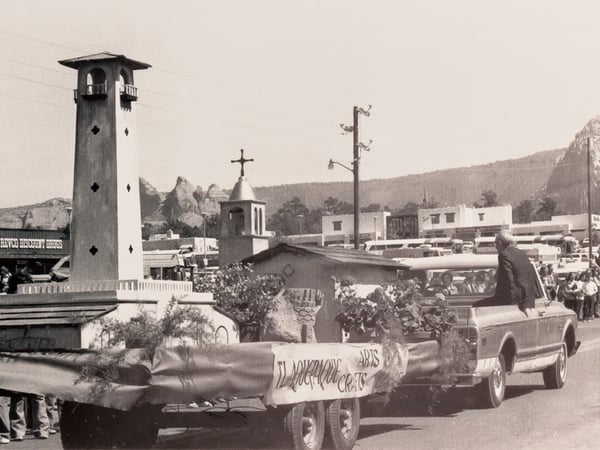
In the 1970s, when Sedona had just one stoplight, Nevada businessman and philanthropist Abe Miller discovered a grove of century-old sycamores along Oak Creek. A lover of Mexico and the arts, he envisioned creating a village inspired by San Pedro Tlaquepaque near Guadalajara—an artisanal community where makers create in full view, and where craft, culture, and daily life are shared.

He brought that spirit to Sedona and named it Tlaquepaque, meaning “the best of everything” in the ancient Aztec language.

  1. Abe Miller and Bob McIntyre, the Architect, reviewing blueprints.
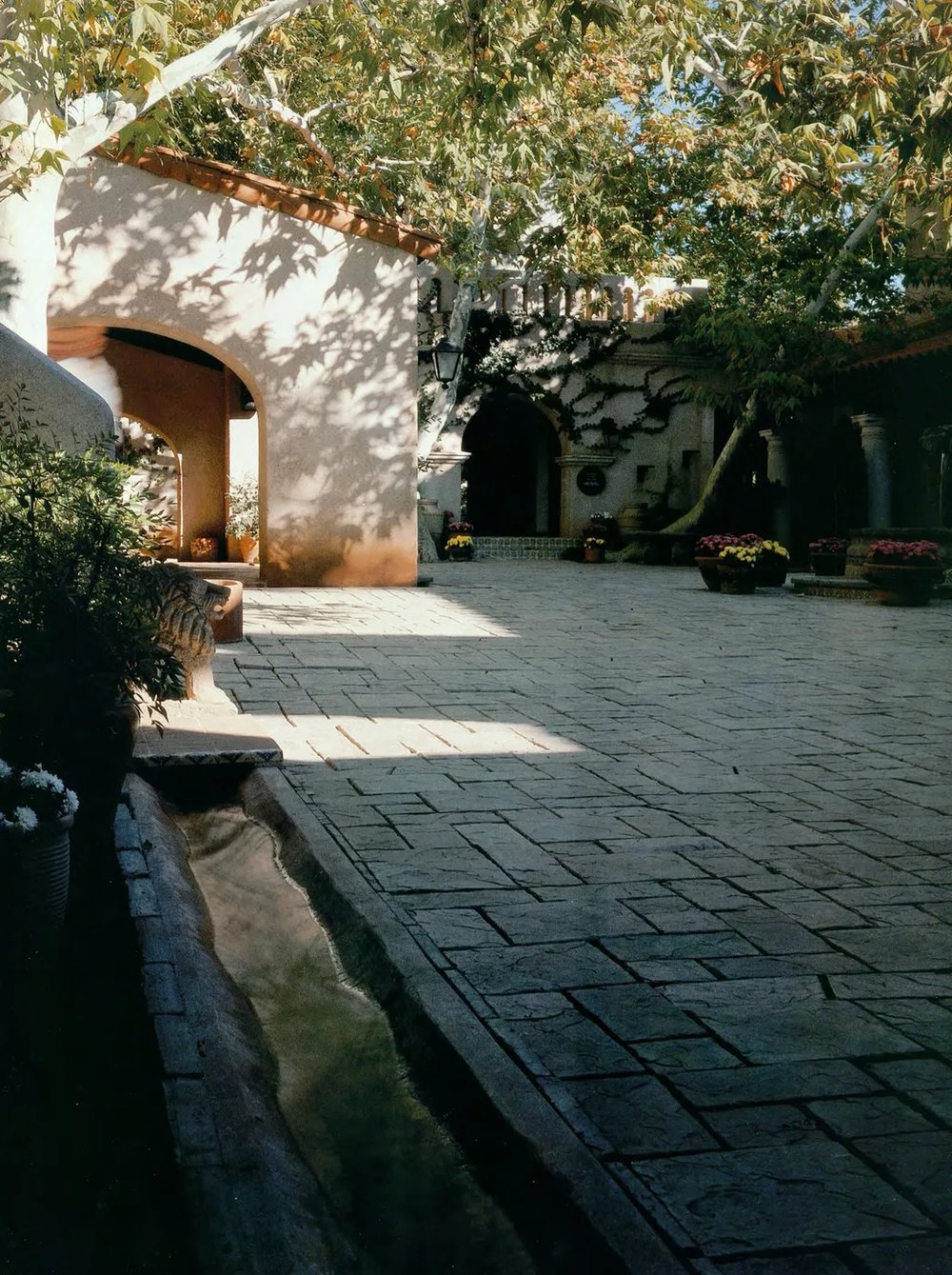
  2. Patio de las Campañas from a 1970's issue of Arizona Highways.
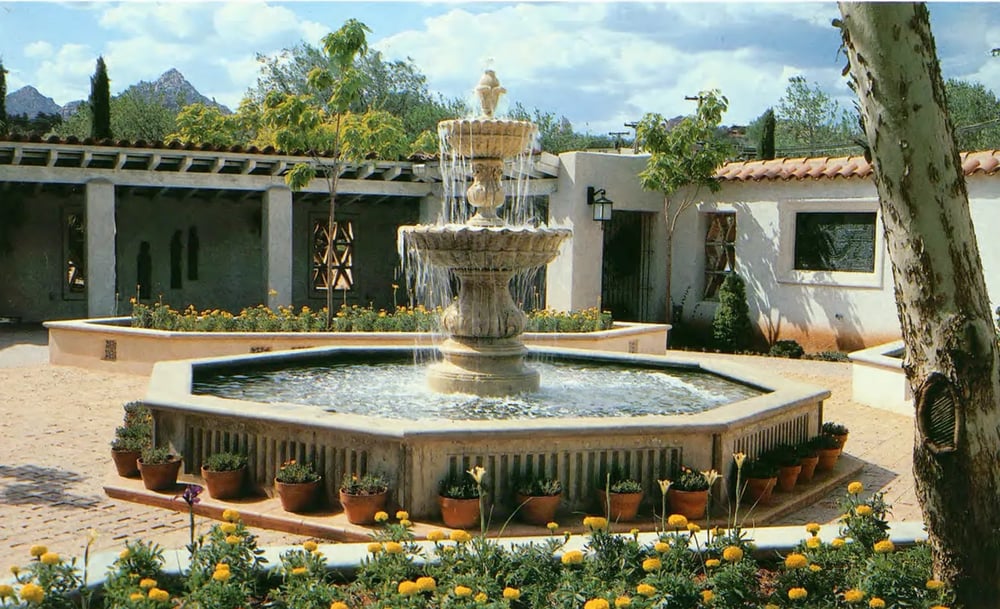
  3. A view of Plaza de la Fuente from the 1970s.
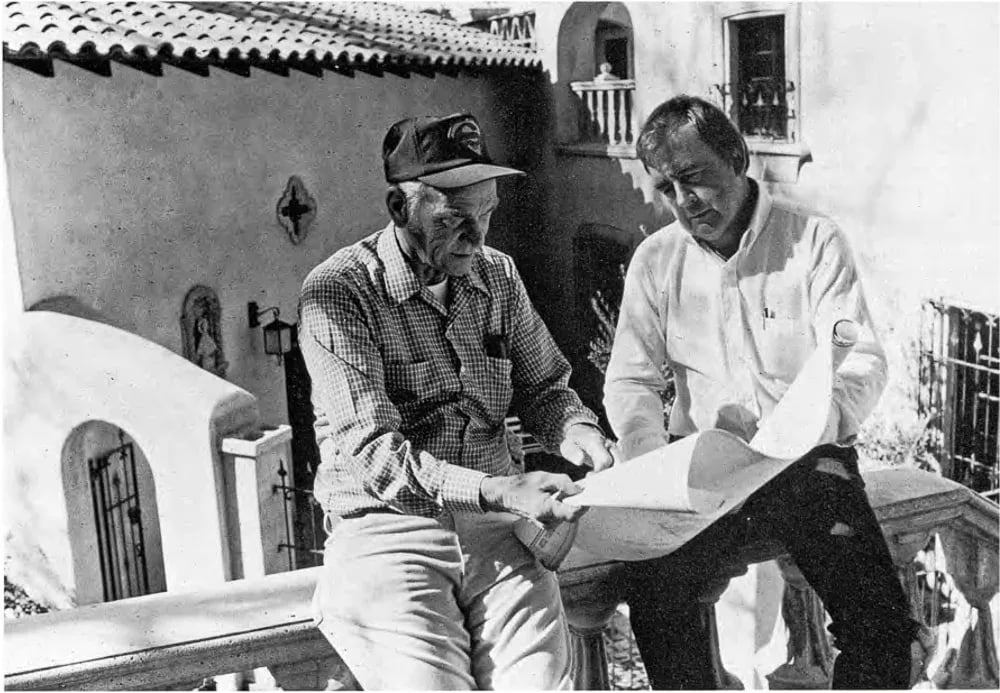
Abe Miller and Bob McIntyre reviewing blueprints Patio de las Campañas Plaza de la Fuente fountain

Together, they traveled throughout Mexico—studying architecture, gathering materials, and immersing themselves in the rhythms of village life. They were drawn not only to the craftsmanship but to the way spaces foster connection: courtyards with fountains and flowers, pathways that invite wandering, and buildings shaped by the presence of daily life.

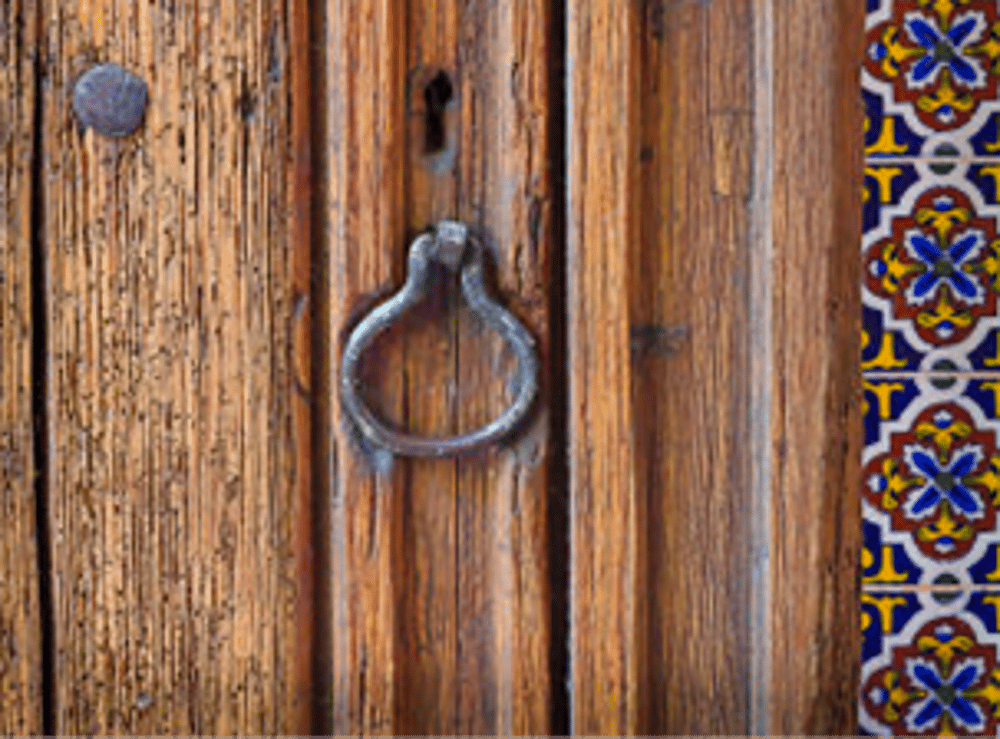
They returned to Sedona with hand-forged ironwork, carved wooden doors, tiles, clay vessels, and other artisan-made elements—each chosen to help create an environment rooted in authenticity.

  1. Abe Miller and Bob McIntyre, the Architect, reviewing blueprints.
  2. Patio de las Campañas from a 1970's issue of Arizona Highways.
  3. A view of Plaza de la Fuente from the 1970s.
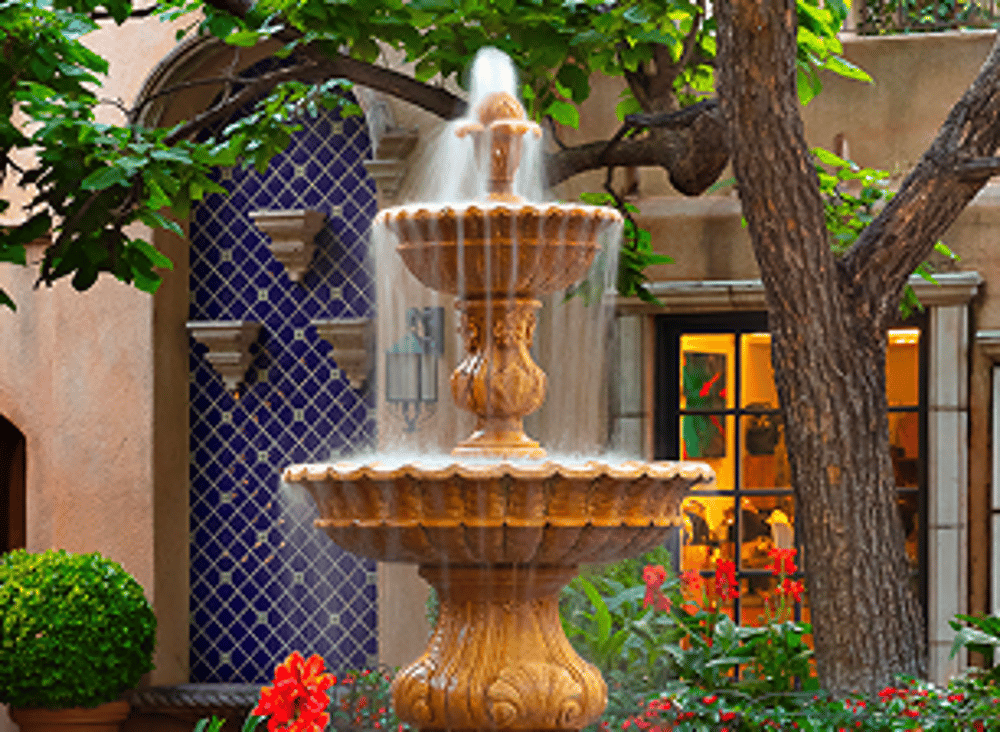
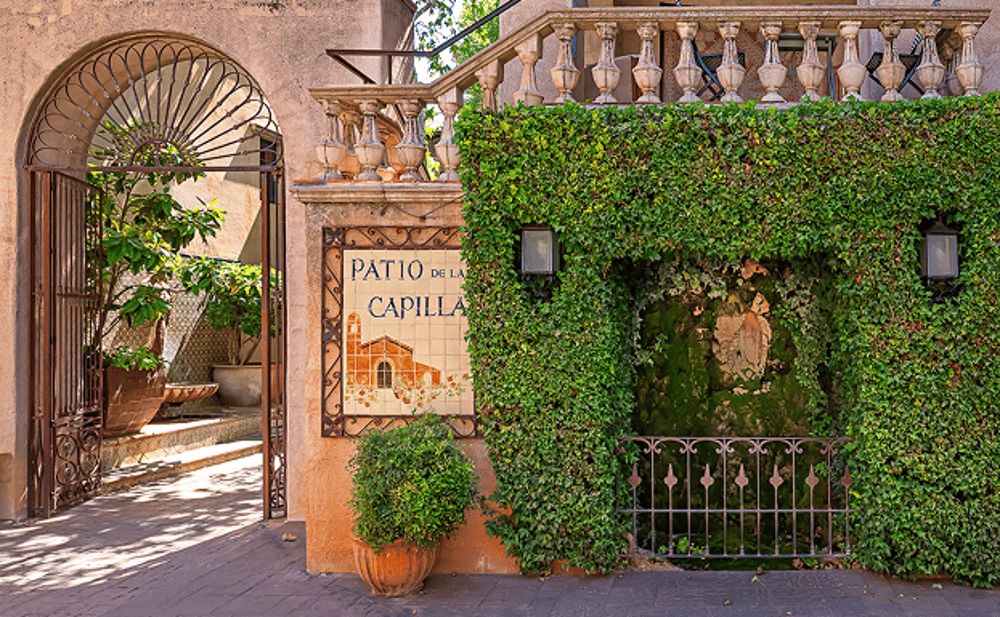
Patio de la Capilla archway covered in ivy Tiered stone fountain beside cobalt tilework Carved wooden door with iron knocker and Talavera tiles

Tlaquepaque was shaped with a commitment to feeling as much as form. Rather than rigid precision, its creation embraced craftsmanship and intuition—allowing the village to emerge organically over time.

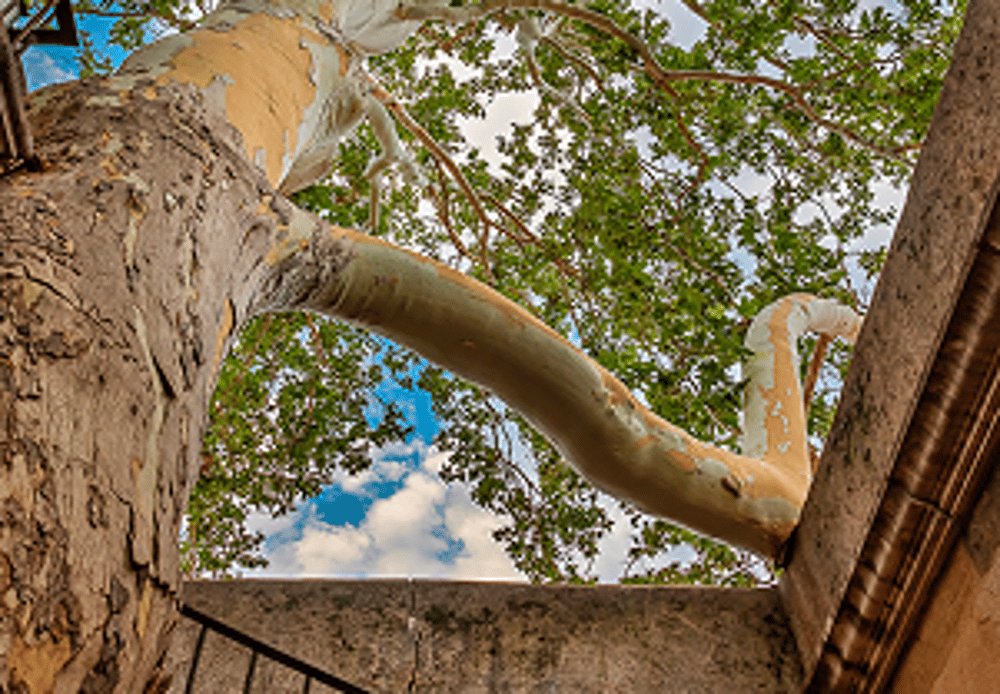
Materials and architectural elements were thoughtfully composed to reflect the spirit of a traditional Mexican village, while remaining deeply connected to the landscape of Sedona. The preserved sycamore grove became central to the experience, offering shade, stillness, and continuity with the land.

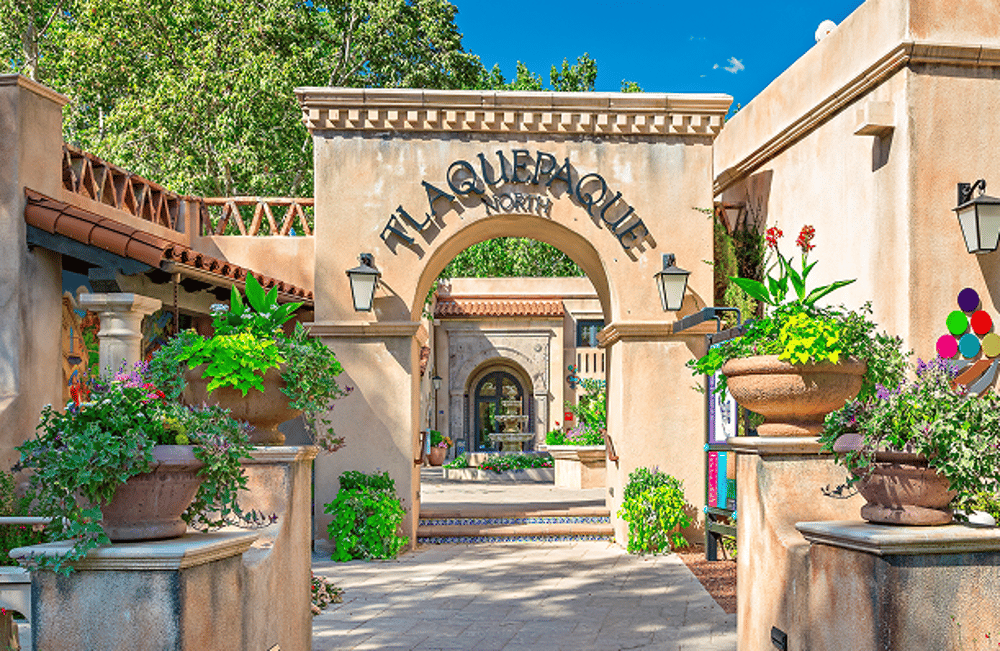
In 2017, Tlaquepaque North was opened as a natural extension of this vision—expanding the village with the same care, spirit, and pedestrian-friendly sense of discovery.

The result is a place that feels discovered rather than constructed—where each path, courtyard, and passage invites exploration.

  1. Abe Miller and Bob McIntyre, the Architect, reviewing blueprints.
  2. Patio de las Campañas from a 1970's issue of Arizona Highways.
  3. A view of Plaza de la Fuente from the 1970s.
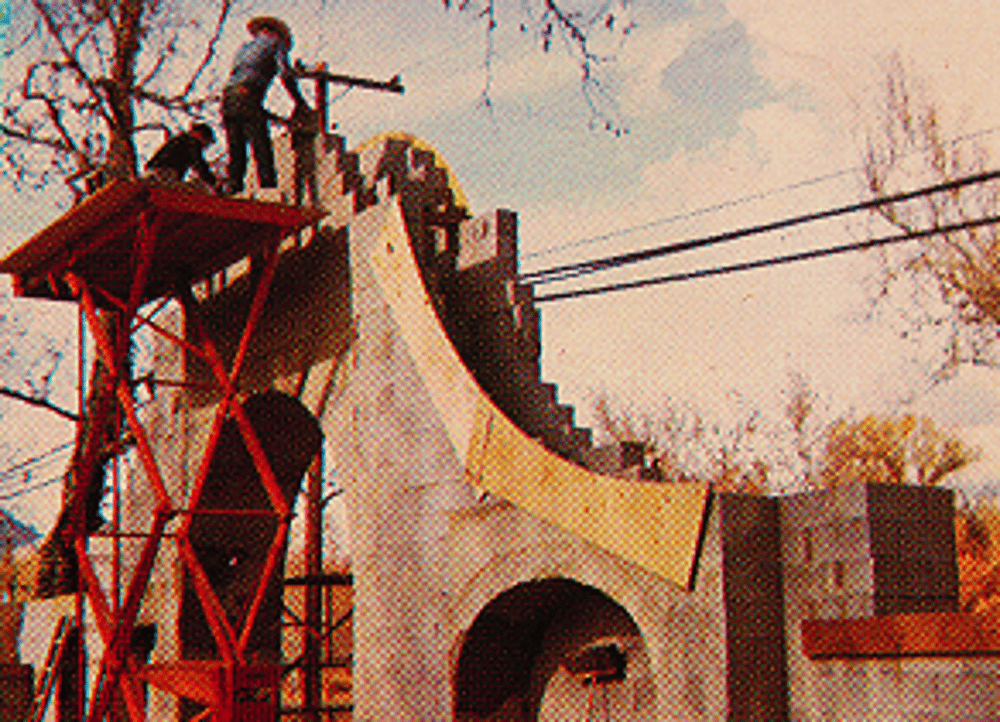
Tlaquepaque North entry arch and courtyard Construction of Tlaquepaque in the 1970s, workers on scaffolding Preserved sycamore branch arching above the village

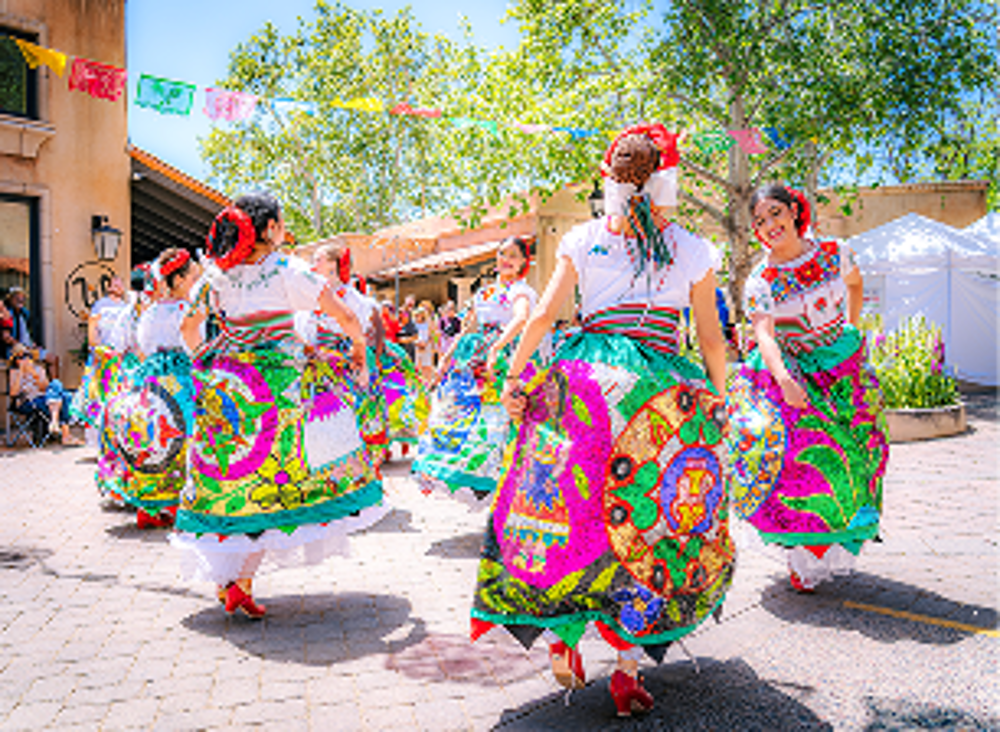
Today, Tlaquepaque Arts & Shopping Village remains the creative heart of Sedona. With more than 50 specialty shops, galleries, and eateries, it continues to celebrate artistry and craftsmanship across every medium. Throughout the year, events, music, and gatherings bring the village to life—creating a sense of connection that extends beyond any single visit.

Tlaquepaque endures as a place of discovery—where art, community, and environment come together in a way that feels both timeless and alive, and where the original vision continues to unfold.

  1. Abe Miller and Bob McIntyre, the Architect, reviewing blueprints.
  2. Patio de las Campañas from a 1970's issue of Arizona Highways.
  3. A view of Plaza de la Fuente from the 1970s.
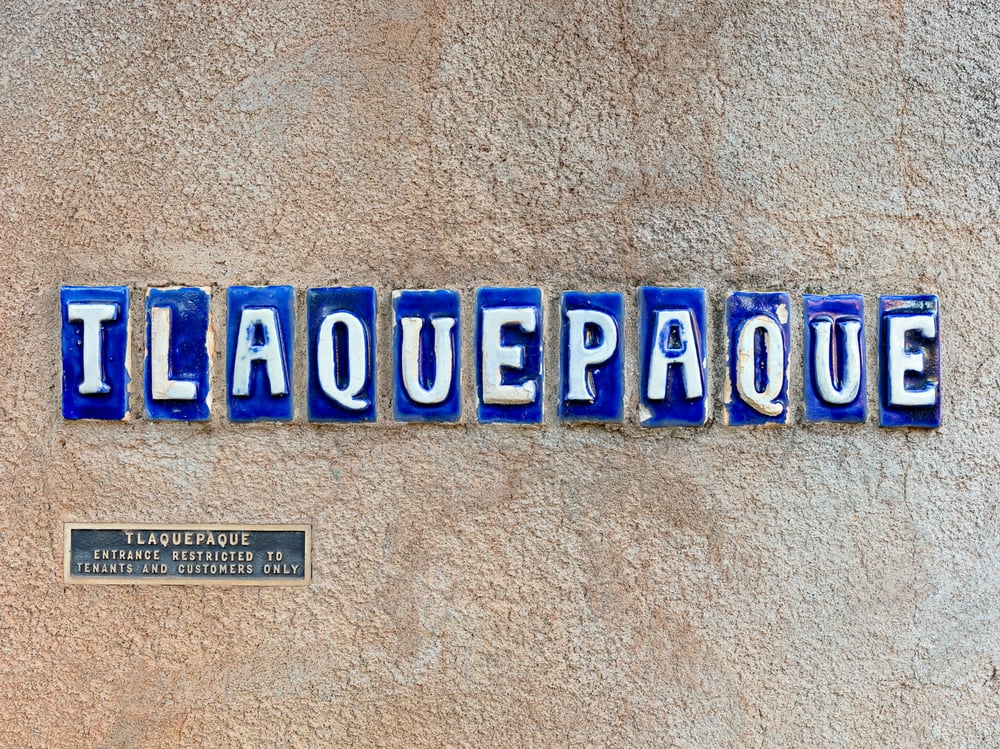
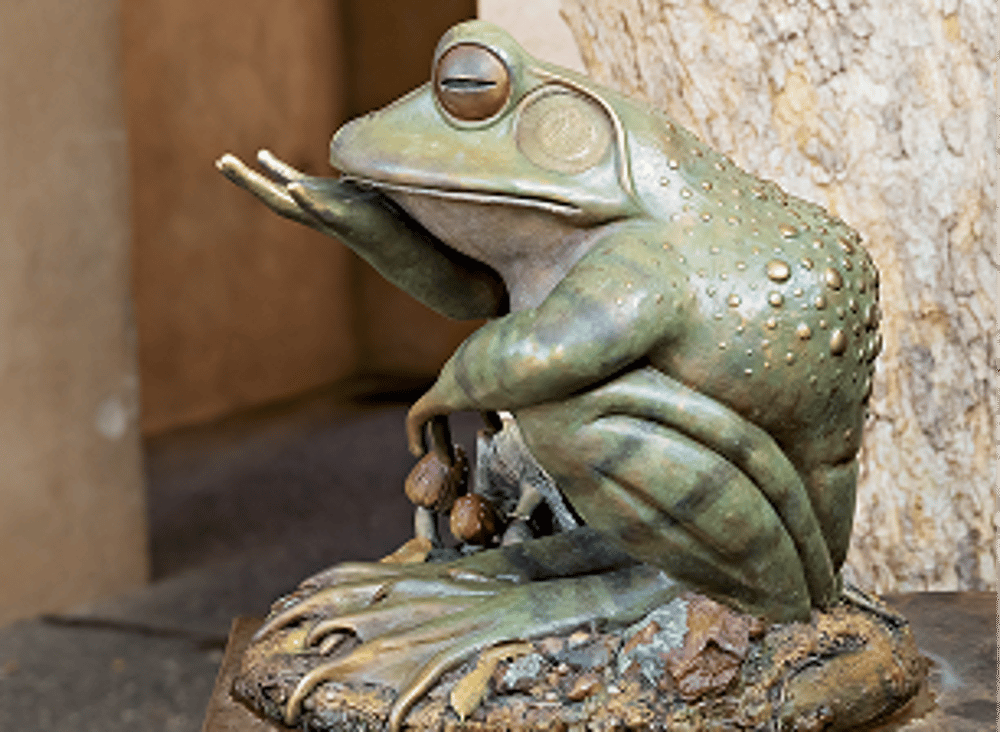
TLAQUEPAQUE tile sign on stucco wall Bronze frog sculpture at Tlaquepaque Folklorico dancers performing in the courtyard